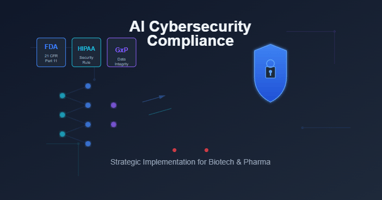
As AI transforms biotech and pharmaceutical innovation, ensuring regulatory compliance is vital for...
Life Sciences Funding: What to Expect in 2026
Unlock the future of life sciences funding in 2026 as evolving technology, regulatory trends, and IT innovation reshape how biotech and pharma secure resources for impactful breakthroughs.
Emerging Trends Reshaping Life Sciences Funding
The biotech industry is poised for significant growth as we approach 2026, driven by both scientific innovation and increasing demand for advanced therapeutics. According to a report by Grand View Research, the global biotechnology market is expected to reach $3.44 trillion by 2030, with a compound annual growth rate (CAGR) of 13.96% from 2024 to 2030. Market acceleration is being fueled not only by developments in genomics, personalized medicine, and biomanufacturing, but also by heightened investment interest and strategic mergers and acquisitions. [Source](https://www.grandviewresearch.com/industry-analysis/biotechnology-market)
Funding sources are also evolving. Venture capital continues to play a dominant role, but there is a notable increase in non-dilutive funding including government grants, public-private partnerships, and strategic alliances with technology firms. With a growing focus on sustainability and emerging health threats, investors and grant-makers are prioritizing projects that address unmet medical needs and leverage digital transformation.
The Role of Digital Transformation and IT Infrastructure
Digital transformation is reshaping biotech operations, R&D, and funding landscapes. Companies with advanced IT infrastructure—such as secure cloud environments, AI-driven analytics, and robust cybersecurity—are better positioned to attract investment and government funding. For early-stage startups, digital maturity is increasingly seen as a prerequisite for both compliance and operational scalability.
A McKinsey analysis highlights that digital and data technologies are not only reducing the cost of drug discovery but also accelerating clinical development timelines. Firms that embrace automation, electronic lab notebooks, and integrated data platforms are more likely to meet compliance requirements and demonstrate the transparency that investors and regulators demand. [Source](https://www.mckinsey.com/industries/life-sciences/our-insights/how-biopharma-can-win-in-the-digital-age)
Regulatory Evolution and Its Impact on Investment
The regulatory landscape for life sciences is undergoing rapid change. In the U.S., the Biden administration has proposed increased funding for the National Institutes of Health (NIH) and other life science agencies, with a focus on pandemic preparedness and advanced biotechnologies. The 2024 NIH budget request stands at $48.6 billion, and continued support is expected into 2026, though subject to political dynamics. [Source](https://www.nih.gov/about-nih/who-we-are/budget)
New grant programs and regulatory reforms are streamlining approval processes for innovative therapies, especially those leveraging digital health and real-world evidence. However, compliance expectations around data privacy (such as HIPAA, GDPR, and the 21st Century Cures Act) are also becoming more stringent. Biotech leaders should anticipate both new funding opportunities and the need for enhanced compliance frameworks. [Source](https://www.genengnews.com/insights/whats-ahead-for-biotech-in-2024/)
Strategic Partnerships: Biotech, Investors, and IT Providers
Strategic alliances between biotech firms, investors, and IT service providers are becoming central to success in the evolving funding environment. Investors are increasingly looking for companies with strong technology partners that can ensure secure, compliant, and scalable IT systems. Partnerships with managed IT providers enable biotech startups to achieve rapid deployment of critical infrastructure, maintain compliance, and focus internal resources on innovation.
These collaborations are also opening doors to new funding models, such as milestone-based investments and risk-sharing agreements. By demonstrating robust IT controls and cybersecurity postures, biotech companies can build investor confidence and accelerate fundraising rounds. [Source](https://www.labiotech.eu/investment/biotech-funding-trends-2024/)
Preparing for 2026: Navigating Funding with Technology-Driven Solutions
To thrive in 2026’s competitive funding landscape, biotech executives should prioritize investment in IT, cybersecurity, and compliance. Leveraging managed IT services, cloud infrastructure, and continuous monitoring will not only enhance operational efficiency but also attract discerning investors and facilitate grant approvals.
Companies that adopt technology-driven solutions—such as those offered by ICE Consulting—can reduce risk, scale rapidly, and demonstrate the operational excellence and compliance readiness demanded by both regulators and financial backers. By aligning digital strategies with emerging funding trends, biotech leaders can secure the resources needed for breakthrough innovation and sustained growth. [Source](https://www.iceconsulting.com/solutions/biotech-and-life-sciences/)